The 2026 hospitality shift prioritises feeling over efficiency.
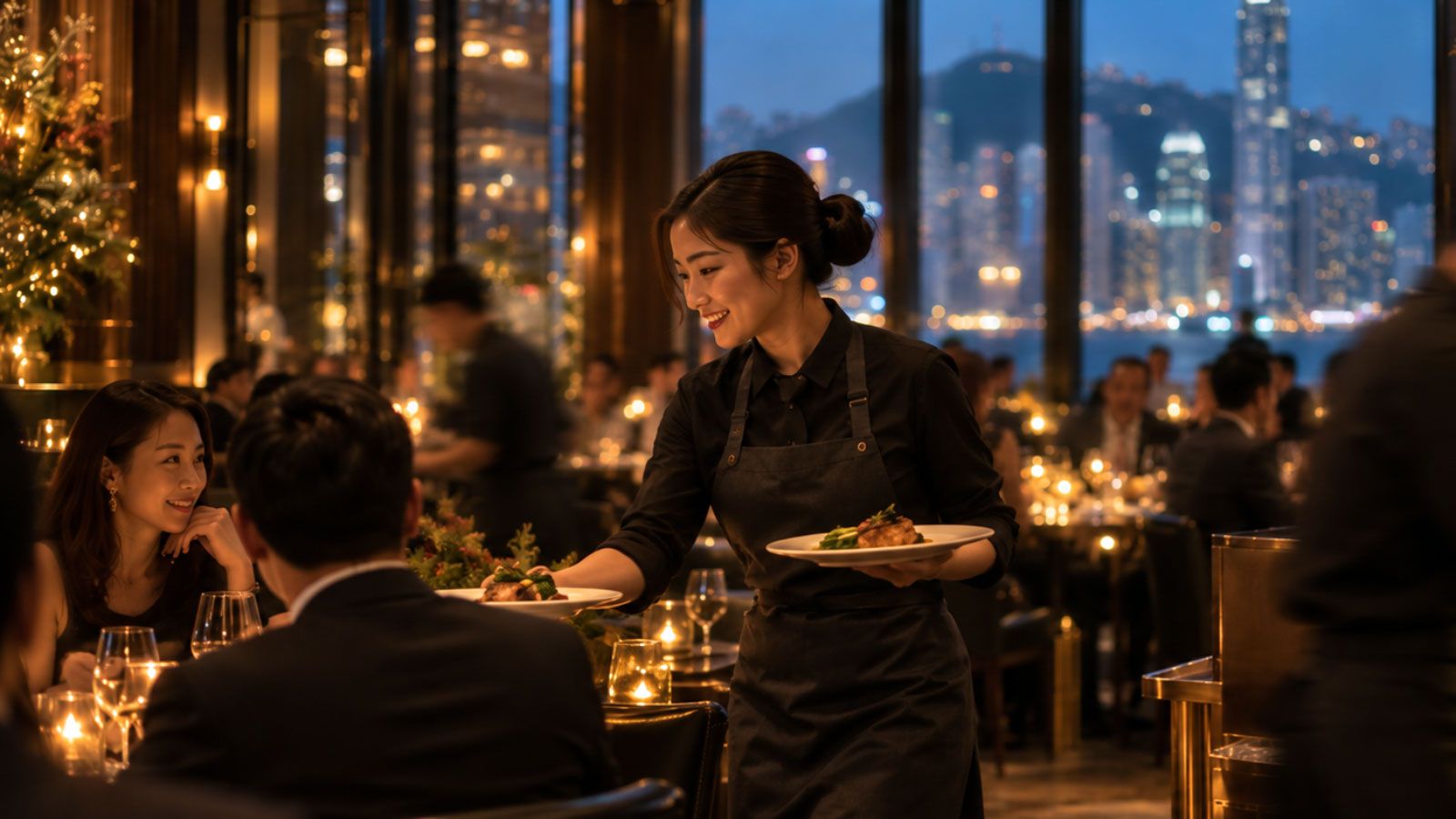
After years of technology-driven operations, Hong Kong venues now compete on genuine human connection and sensory restoration rather than automation and speed.
Menu strategies stabilise costs whilst reducing guest decision fatigue.
Quarterly prix fixe programmes and batch-cooked comfort foods address volatile ingredient pricing and labour shortages through predictable purchasing and prep-heavy workflows.Bar programmes create profit through preparation rather than service complexity.
Functional ice, coloured glassware, and afternoon daycap menus add margin and capture new revenue windows without slowing down bartenders during peak hours.Physical environments now optimise for comfort over Instagram aesthetics.
Acoustic investment and materials that age gracefully directly impact repeat visit rates as guests prioritise being able to hear conversations over photogenic backgrounds.Guest retention economics outperform acquisition spending.
Directing resources toward recognising and rewarding high-value regulars proves more profitable than chasing viral moments as social media advertising costs rise whilst conversion rates decline.
The hospitality landscape entering 2026 marks a decisive shift from technology-first operations toward what industry observers call "feeling-first" experiences. After years of QR code menus, contactless ordering, and digital-everything approaches driven by pandemic necessity, guests increasingly crave spaces that feel genuinely welcoming rather than efficiently automated. This doesn't mean abandoning technology but rather using it thoughtfully to enhance rather than replace human connection. Hong Kong's F&B sector, always quick to adapt global trends whilst maintaining local character, finds itself uniquely positioned to lead this transformation.
The operational theme for the coming year centres on resonance: creating experiences that guests remember and return for precisely because they satisfy deeper needs beyond just hunger or thirst. Diners want venues that sound good acoustically, menus that don't overwhelm with choices, and drinks offering escapism without next-day regret. These aren't frivolous preferences but fundamental shifts in consumer priorities that smart operators can capitalise on through thoughtful implementation rather than expensive overhauls.
The following trends represent practical opportunities for Hong Kong venues to differentiate themselves whilst addressing real operational challenges around cost control, staff retention, and guest satisfaction. These aren't experimental concepts requiring massive investment but rather accessible approaches that leading venues globally have validated through measurable results. Understanding and selectively implementing relevant trends positions your venue for success in an increasingly competitive market where guests have countless options but diminishing tolerance for generic experiences that fail to deliver genuine value or connection.
1. Quarterly Prix Fixe Programmes
The quarterly prix fixe model transforms how progressive venues approach menu development and cost control simultaneously. Rather than maintaining static à la carte menus with daily specials requiring constant ingredient sourcing, forward-thinking restaurants now offer tight three-course seasonal programmes changing entirely every ninety days. This approach solves multiple challenges elegantly: it addresses decision fatigue guests experience confronting overwhelming choices, provides predictable check averages simplifying revenue forecasting, and crucially enables bulk ingredient purchasing that stabilises costs in volatile markets. Hong Kong venues adopting this model typically price offerings between HK$350-550, positioning them as accessible luxury rather than special occasion dining. The narrow ingredient focus means kitchens can contract directly with suppliers for volume commitments, locking in prices that static menus with forty different dishes simply cannot achieve. Guests appreciate the curated experience whilst operators gain unprecedented control over food costs and waste reduction.
2. Elevated Comfort Food
Comfort food returns with elevated execution as Instagram-driven plating aesthetics give way to dishes that prioritise flavour and satisfaction over visual complexity. The resurgence of savoury pies, terrines, quality meatloaf, and pot roasts reflects guest desire for warmth and familiarity executed with premium ingredients and technical excellence. These preparations offer operational advantages beyond nostalgia: they're often braise-heavy or batch-cooked, meaning kitchens handle intensive work during prep hours rather than during service rushes. A venue can produce fifty portions of high-margin shepherd's pie at 2pm with two staff members, eliminating sauté station bottlenecks at 7:30pm when tables turn rapidly. The trend satisfies what forecasters call "neostalgia," where guests seek psychological safety through grounding foods during times of economic and geopolitical uncertainty, but demand execution quality that justifies premium positioning.
3. Sweet Corn Crosses Categories
The evolution of sweet and spicy flavours moves beyond hot honey into sophisticated vegetable-forward applications, with sweet corn emerging as 2026's signature ingredient. This versatile element crosses from side dish to star player in desserts, cocktails, and savoury preparations, appearing in corn crème brûlée, corn milk punches, and breakfast dishes that bridge perceived healthfulness with genuine indulgence. The trend satisfies adventurous diners whilst feeling safer than extreme flavour combinations, offering menu differentiation without alienating conservative palates that drive consistent revenue. Operationally, corn provides cross-utilisation opportunities where the same ingredient serves both kitchen and bar programmes: cobs from a chowder become corn milk syrup for cocktails, maximising yield and minimising waste. This botanical sweetness aligns with younger demographics favouring earthy, floral profiles over artificial sugary ones whilst maintaining the indulgent experience guests expect when dining out.
4. Functional Ice as Profit Centre
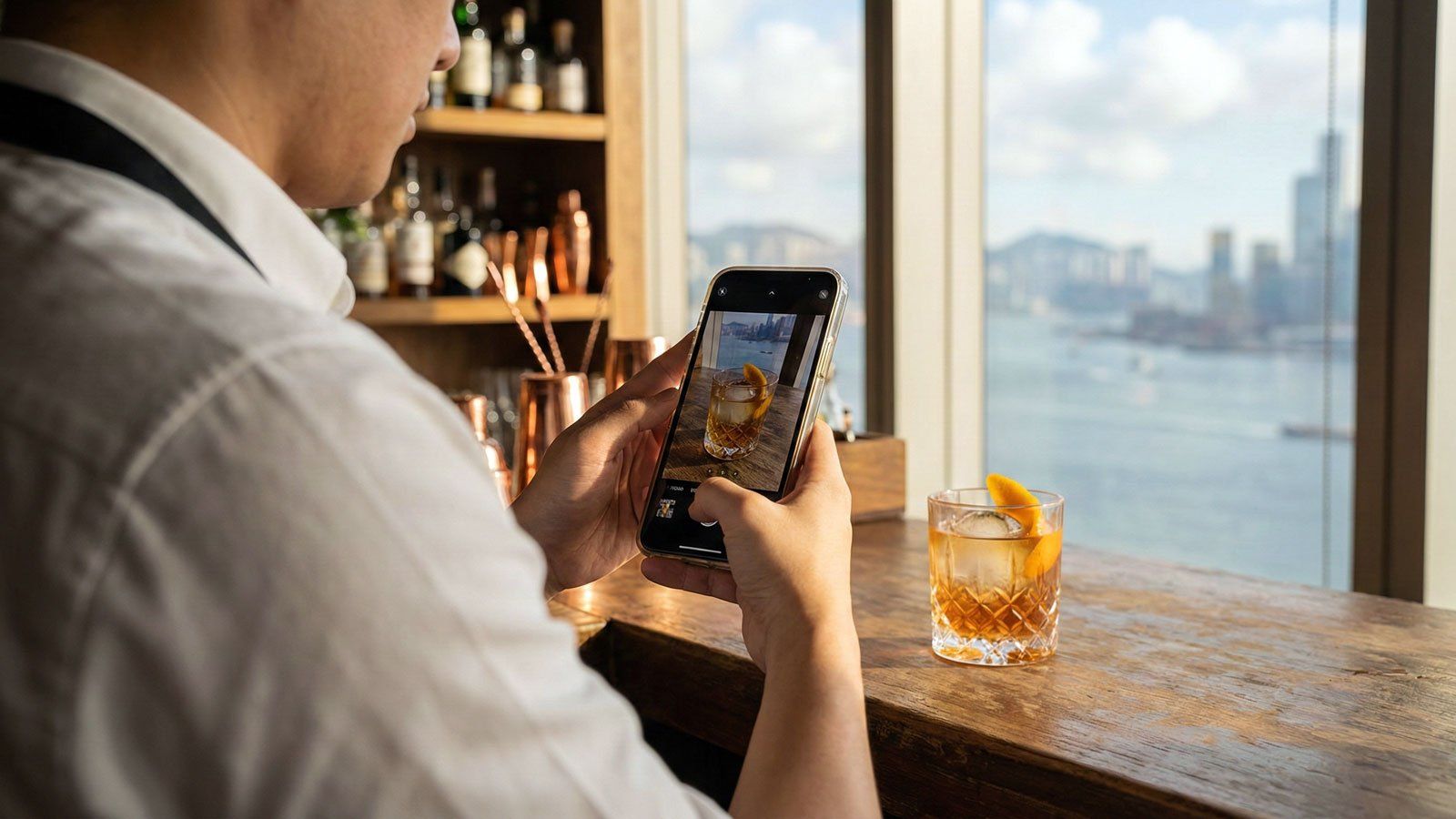
Ice transforms from utility to profit centre through functional and crafted applications that justify premium pricing without adding service-time labour. Herb-infused cubes that gradually change a gin and tonic's flavour profile as they melt, hollow spheres designed for dramatic smashing by guests, or branded stamp ice featuring your venue's logo all enable HK$15-30 upcharges on standard pours. The work happens during prep shifts when bartenders create these elements in advance, meaning service remains efficient whilst perceived value increases substantially. Hong Kong's sophisticated cocktail culture particularly appreciates these details that demonstrate craft and creativity. The theatrical element provides Instagram moments without compromising drink quality or requiring complex techniques during busy service periods. Guests readily accept higher price points when the garnish itself becomes an experience rather than merely decorative, and the margin improvement proves substantial given ice's negligible ingredient cost.
5. Coloured Glassware Solves the Dye Dilemma
Coloured glassware addresses the tension between Instagram appeal and ingredient transparency as consumers grow increasingly wary of artificial dyes and synthetic colourings. Serving crystal-clear natural martinis in neon pink coupes or forest green rocks glasses satisfies social media documentation desires without compromising drink quality through artificial additives. The initial investment in distinctive glassware pays dividends through differentiation: your drinks become instantly recognisable in photos whilst maintaining clean ingredient profiles that health-conscious guests increasingly demand. This approach proves particularly valuable as consumers read labels more carefully, recognising that synthetic dyes like Red 40 are petroleum-derived. The coloured glass creates the visual pop required for shareability whilst the drink itself remains pure and natural, resolving a conflict that previously forced bartenders to choose between aesthetics and ingredient integrity.
6. Daycap Culture Activates Afternoon Hours
Daycap culture captures previously dead revenue hours through low-alcohol afternoon drinking designed for 2pm-5pm consumption. This addresses sleep hygiene concerns amongst professionals who want to socialise without compromising evening productivity or next-day performance. Afternoon spritzes, mini-martinis, and lunch cocktails at slightly lower price points activate your venue during traditionally slow periods whilst appealing to older millennials and Gen Z professionals seeking connection without commitment. The trend responds to declining drinking rates overall, with 53% of adults now believing even moderate alcohol consumption harms health, by offering indulgence that doesn't interfere with sleep quality. Creating dedicated daycap menus signals understanding of how modern professionals balance social desires with wellness priorities. For venues, this transforms the 2-5pm window from a liability requiring minimal staffing into an opportunity to serve remote workers and flexible professionals who previously nursed a single coffee for three hours.
7. Acoustic Design Investment
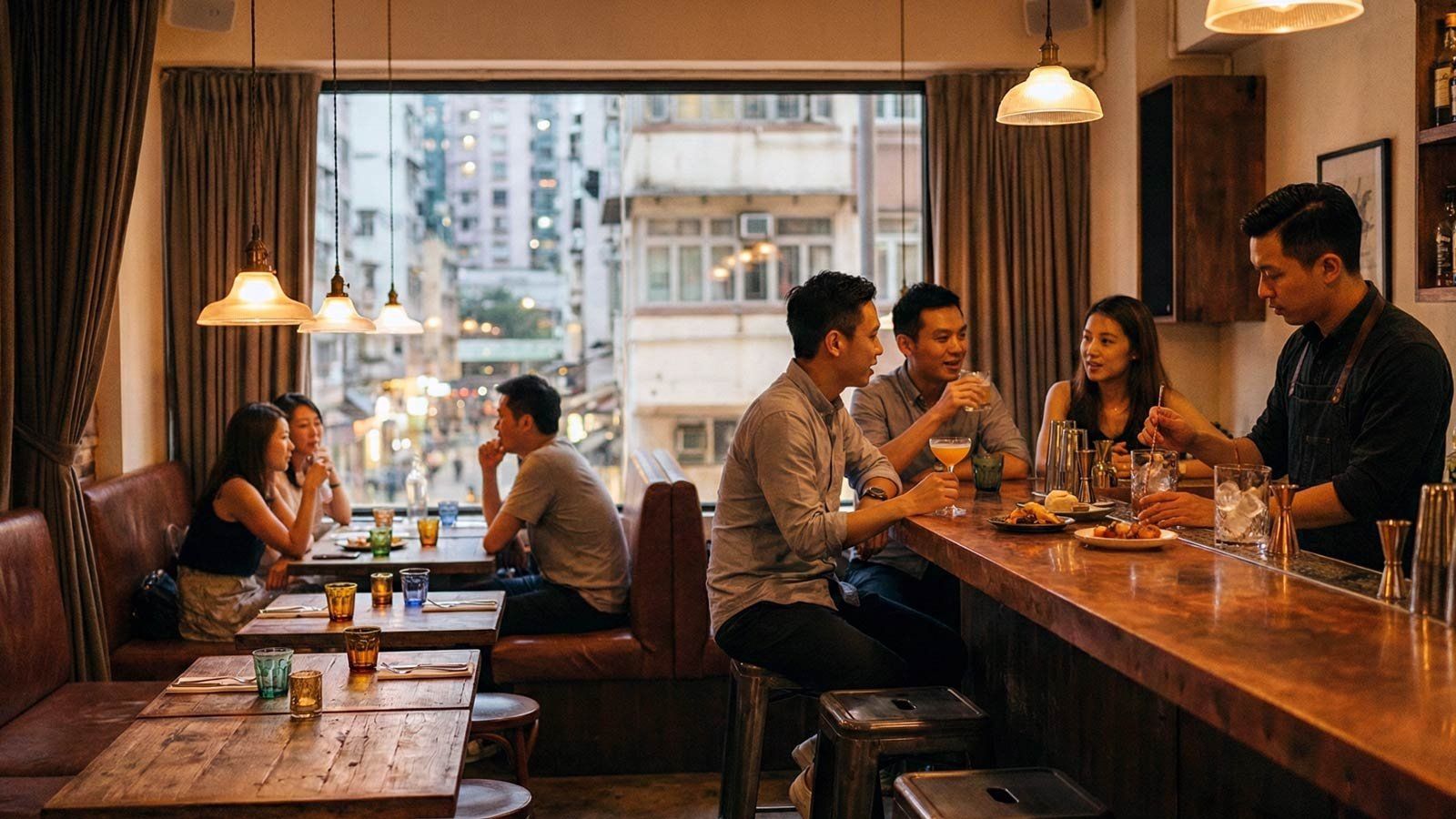
Acoustic luxury combats the number one guest complaint plaguing Hong Kong's restaurant scene: excessive noise levels making conversation impossible. The glass-and-concrete aesthetic that dominated Instagram-era design created catastrophic sound environments where guests couldn't hear companions across tables. Progressive venues now invest heavily in sound dampening through upholstered walls, cork ceilings, heavy drapery, and strategic material selection that absorbs rather than reflects sound. This isn't just comfort but revenue optimisation: guests who can speak comfortably stay for second drinks and return more frequently than those who leave with headaches from shouting all evening. Research indicates 24% of diners cite noise as their biggest grievance, whilst 91% actively avoid loud venues entirely. The economic case proves compelling when venues recognise that quieter environments directly correlate with higher check averages and improved repeat visit rates.
8. Materials That Age Gracefully
Material honesty embraces surfaces that age gracefully rather than showing every scratch as damage requiring immediate repair. Unsealed copper bars that develop patina, leather banquettes that soften with use, and raw wood floors that gain character over time create instant history whilst lowering long-term maintenance stress. This approach proves particularly valuable in Hong Kong's humid climate where perfectly polished surfaces require constant attention. A scratch on white lacquer represents failure; a scratch on weathered leather represents authenticity and longevity that guests increasingly value over sterile perfection. The aesthetic responds to digital fatigue, where consumers spending ten-plus hours daily touching glass screens subconsciously crave texture when they venture out. Venues adopting this approach find their spaces actually improve with age rather than deteriorating, as the natural patina and wear patterns that develop communicate permanence and authenticity that freshly renovated spaces cannot replicate.
9. Offline Sanctuary Spaces
Rewilding creates offline oases positioning your venue as sanctuary from digital saturation. Phone-free zones, vinyl listening sessions, board game nights, and communal seating encouraging stranger interaction offer experiences delivery apps cannot replicate. You're selling what UberEats fundamentally cannot provide: genuine human connection and presence. Hong Kong's young professionals particularly appreciate spaces explicitly designed for unplugging, providing permission to disconnect that they struggle granting themselves elsewhere. The trend capitalises on widespread digital burnout where disconnection itself becomes a luxury commodity worth paying for. Venues implementing offline experiences report guests staying longer and spending more when freed from constant phone checking and email monitoring. The approach positions hospitality as antidote to technology rather than slave to it, creating differentiation that algorithms and ghost kitchens simply cannot compete with regardless of their efficiency advantages.
10. Guest Retention Over Acquisition
Guest lifetime value focus redirects marketing budgets from expensive new customer acquisition toward retention of high-value regulars. Social media advertising costs have skyrocketed whilst conversion rates declined, making the economics of chasing viral moments increasingly questionable. Smart venues empower floor managers with discretionary budgets specifically for recognised faces: complimentary wine splashes, birthday desserts, or premium table allocations for regulars spending HK$400-800 weekly prove dramatically more profitable than Instagram campaigns attracting one-time visitors spending HK$150. Modern POS systems capturing guest notes, favourite dishes, dietary restrictions, and celebration dates enable genuine personalisation that guests perceive as care rather than surveillance. Remembering someone's preferred table, usual drink, or last conversation creates emotional connections justifying premium positioning whilst generating word-of-mouth marketing no paid campaign can match. This proves particularly powerful in Hong Kong where dining choices proliferate but truly attentive service grows increasingly rare.
The venues thriving in 2026 will be those recognising that trends serve guests and operations rather than existing for their own sake. Thoughtful selective implementation addressing your specific challenges whilst enhancing what already works creates meaningful differentiation. The future belongs not to venues with the most technology or trendiest concepts but rather those offering the most human experiences: spaces where people feel genuinely welcomed, comfortably at ease, and eager to return because something resonates deeper than just filling their stomachs.
Your Staffing Success Starts Here
Your success depends on building teams capable of delivering these elevated experiences consistently whilst managing the operational efficiencies that keep margins healthy. When you combine trend awareness with genuine understanding of your guests and staff needs, you create sustainable competitive advantages that transcend temporary fashions.
Discover how shifthappens.app connects forward-thinking Hong Kong venues with hospitality professionals who bring both contemporary expertise and timeless service excellence to your team. The difference between venues that merely survive and those that genuinely thrive often comes down to having people who understand not just what trends matter but why they resonate with the guests you serve.